The premise
Product design after the arrival of AI is not the discipline it was three years ago, and the people closest to it know this best. The patterns that defined good UX for a decade (predictable input fields, deterministic outputs, clear state) start to creak when the product can hold an open-ended conversation, generate an answer that is probably right, or act on the user's behalf.
What changes is not the principles. What changes is which principles are load-bearing and which were assumptions that no longer hold. The teams that ship well in 2026 spend a real fraction of their design time on this question, and most have arrived at a small set of new patterns.
This article is about those patterns: what is breaking, what is replacing it, and how SDEN approaches product design when intelligence is part of the interface.
From idea to production
The way SDEN turns an idea like this into a system you can run.
Determinism was a UX assumption, not a UX principle
For most of the web's life, designers could assume the system returned the same answer to the same input.
Determinism is so baked into the way we think about product design that we rarely name it. The form takes a value; the system processes it; the result is reproducible. Errors are explicit, states are enumerable, and the screen the user sees today is the screen they will see tomorrow under the same inputs. This assumption underlies how we designed disclosure, error states, undo, and trust.
AI breaks the assumption. The same input can produce a different output. The output can be subtly wrong in a way that looks confidently right. The error can be a hallucination that the system does not know to flag. None of the classical UX safety nets (confirmation dialogs, redo, transcripts) were designed for this shape of failure.
The patterns that work after this shift accept the non-determinism explicitly. They show confidence, surface uncertainty, make it easy to ask 'why', and keep the human in the loop at the points where the cost of being wrong is high.
Patterns that are doing the new work
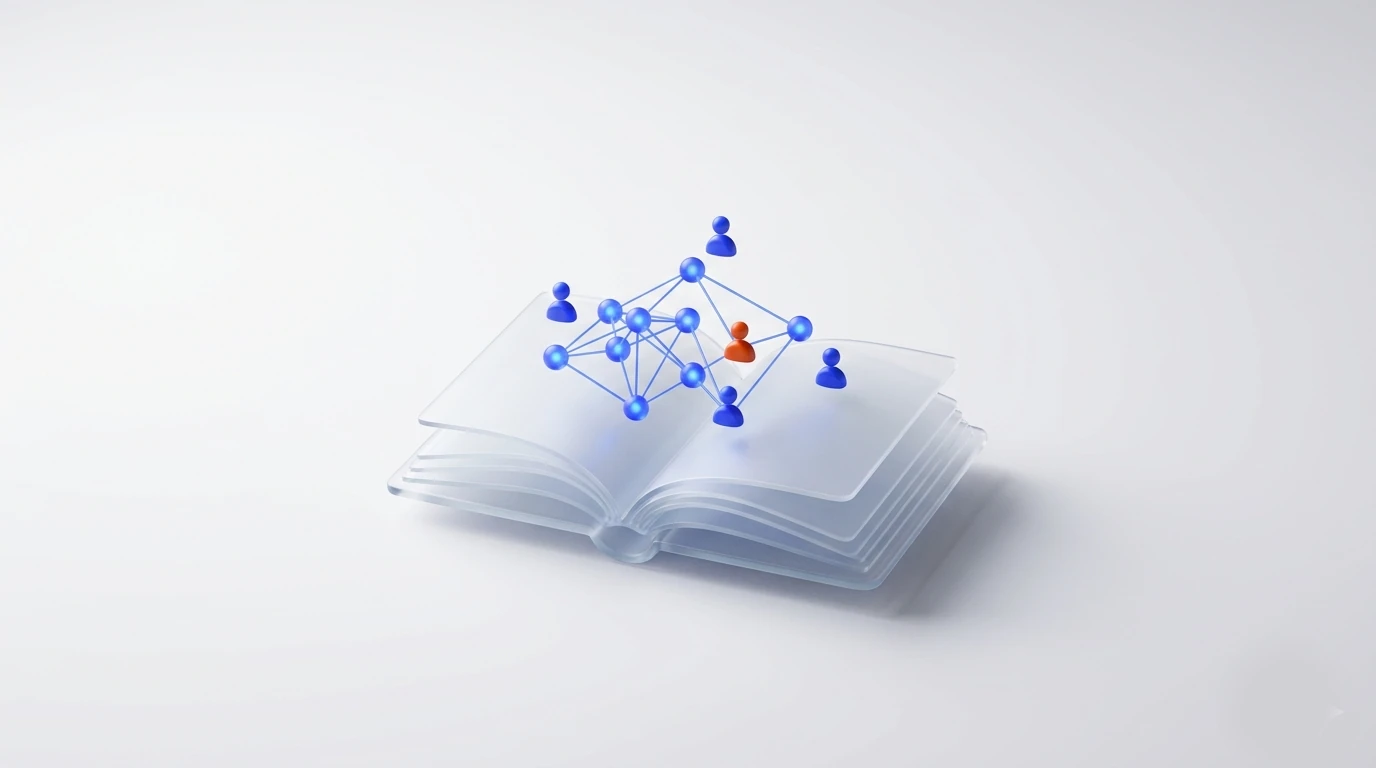
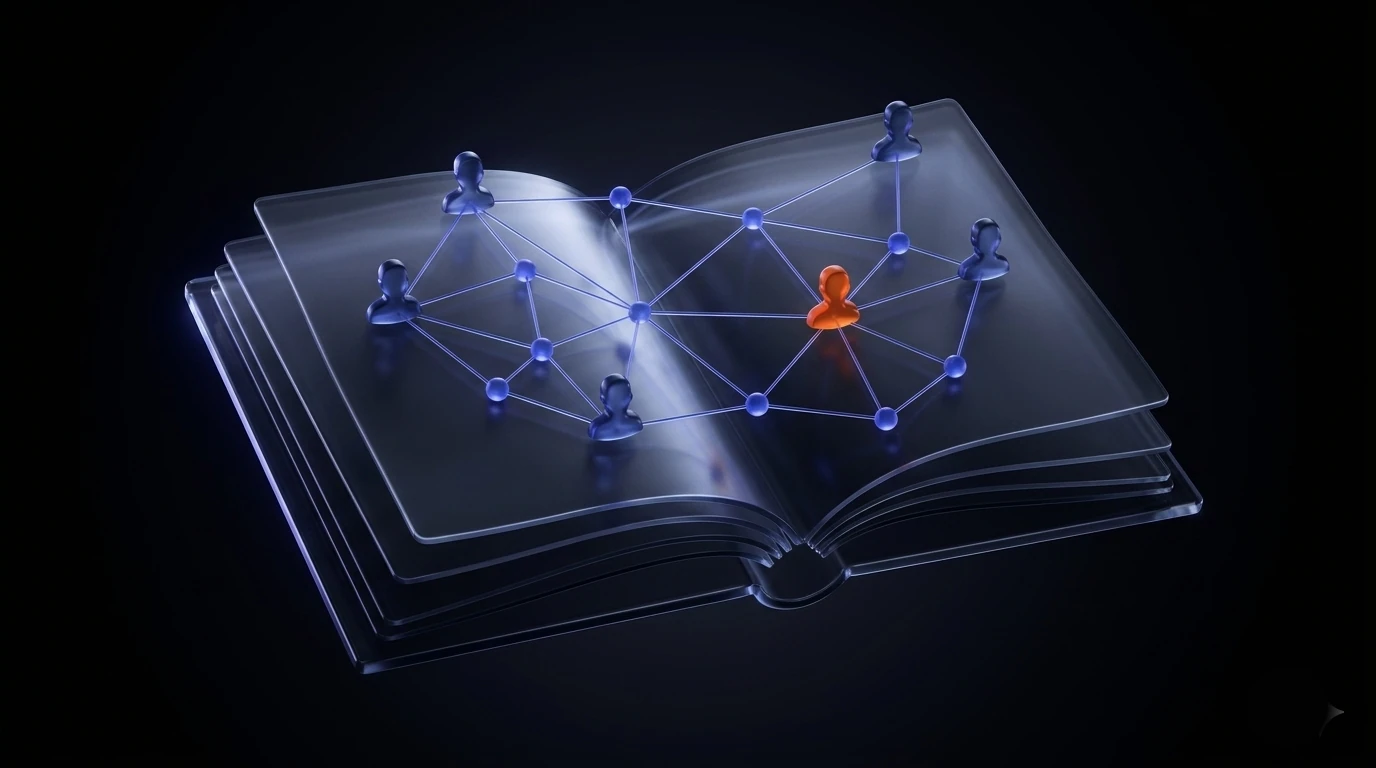
Three patterns recur across well-designed AI-using products in 2026. First, citations everywhere: when the system answers, it shows where the answer came from. Citations are not just for transparency; they are the cheapest way to let users verify without forcing them to. Second, confidence as a first-class element: instead of presenting every output identically, the interface conveys whether the system is sure, uncertain, or guessing, and adapts the prompt for action accordingly. Third, escape hatches at every step: the user can override, edit, or fall back to a non-AI path without going through a menu.
These patterns are not unique to AI products. They were always good ideas. AI made them mandatory.
UX patterns that no longer earn their place
Several patterns that were defaults for a decade are quietly losing relevance. The empty-state illustration with a single 'create' button, designed for a deterministic workflow, gives way to a structured first-message prompt that helps the user get to a useful first interaction faster. The endless form, populated by hand, gives way to a structured drafting step where the AI fills the obvious fields and the user corrects them. The 'AI Mode' toggle, which split the product into a normal version and an experimental version, gives way to interfaces where the AI assistance is woven through the flow without a separate switch.
None of these are absolute. There are products where the old pattern is still right. The point is that the defaults moved, and the teams that re-examined them produced more usable products than those that kept layering AI on top of the previous defaults.
Three commitments that show up in the interface
Our design defaults are derived from what we have seen survive contact with real users at scale. They are not theoretical.
Accessible by default
Contrast, focus management, keyboard navigation, and ARIA semantics are checked in CI on every change. Accessibility is not a final pass; it is a property of the codebase.
Honest about uncertainty
AI-driven elements show their citations, their confidence, and the user's escape hatch. The interface does not pretend to be more certain than the system is.
Designed for the second user
We design for the person joining the team in year two, not for the demo on launch day. Patterns that look impressive but require explanation are deferred or refused.
The interface the next user does not need a tour to use
A good product interface is felt as nothing: the user did what they came to do.
A well-designed product is not the one with the most impressive screens; it is the one whose users complete their tasks and forget about the interface. The honest test is what new users do without help. If they discover the core flow in their first session, the design works. If they need onboarding, instructions, or screenshots, the design has not finished its job.
Adding AI to the product does not change this test. It does change the kinds of guardrails the interface has to provide (citations, confidence, escape hatches), but the underlying standard is the same: did the user get to where they came for, and did they trust what they saw on the way.
When SDEN finishes a design engagement, this is the test we run, and the one we ask our clients to keep running after we leave.
Design & UX
questions we get asked.
Direct answers to the questions we get asked the most. If yours isn't covered, write to the team.